.png/picture-200?_=1709ac8e108)
Buleleng
Located along the north coast of Bali, it has developed different social and cultural characteristics from the rest of the island. The area attracts an increasing number of tourists each year, with its stunning natural landscapes and unique history dating back thousands of years, until times when the area was already occasionally visited by sailors and merchants from the Persian Gulf, India and China. Even today, Chinese merchants can be found in the port of Singaraja, living in peace with Muslim and Hindu neighbors. The earliest settlements date to around 400 B.C., as evidenced by excavations in the villages of Julah and Sembiran. These first settlers lived on hunting, fishing and in the wet season of rice cultivation.
Singaraja- In Indonesian "Singa" (lion) and "Raja" (king); translates as "lion king". Nickname of the Raja Pandji Sakti who ruled Buleleng in the early 17th century, founder of the Royal Palace building, "Puri Agung Buleleng". It is the capital of the northern region and the second largest city on the island. Well known for its pottery. It has an important educational and cultural center, with two universities and the Gedong Kertya Library with a unique collection of Lontar writing (palm leaf) written in Balinese with traditional literature, medicinal formulas, black magic etc. There are also a number of old books in English, Dutch and Old Javanese (Kawi). Since the Dutch began to control Bali in 1848, Singaraja with its perfect port for its ships has become the administrative center of Bali. However, in 1958, thirteen years after Indonesian independence was proclaimed, the Indonesians moved their capital to Denpasar. Today it still has some well-preserved remains from the times that the Rajas ruled and from the Dutch colonial period.
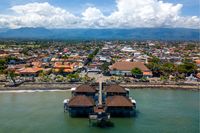
The Royal Palace of Singaraja still exists and the descendants of the last Raja from Buleleng still live there. Open its doors to visitors interested in its history, being a unique opportunity to meet and talk with the descendants of the Raja of the region. There are many modern stores where you can buy clothes, electronic accessories, furniture, stationery, etc. In the center there is a lively night market and morning with many offers. Hospitals and pharmacies open 7 days 24 hours, ATMs and several banks. In addition, there are two modern shopping malls (Hardy's), a Carrefour branch, several restaurants, and dozens of phone shops (new and second-hand). On the northwest side is Pantai Penimbangan (known to locals as PP), a simple but cozy coastal boulevard surrounded by rice fields, several restaurants, and many small warungs. Especially on weekend nights, warungs are crowded with local youth. The PP is a popular place to hang out while enjoying roasted corn with sambal sauce and sweet avocado juice.
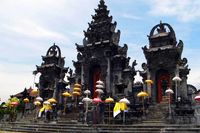
Pura Agung Jagatnatha- The largest temple in northern Bali, as well as the most important in Singaraja. Dedicated to the God Sanghyang Widi Wasa, the supreme of divine meetings. The name Jagatnatha derives its origin from the Sanskrit word jagat which means world. Two festivals based on lunar cycles are celebrated here every month, during the full moon and new moon days, visiting this temple can be a memorable experience. No matter what time you visit it you will always find devotees in prayer.
Its main feature is the magnificent Padmasana or lotus throne sanctuary, it is made of white coral and consists of an empty throne, symbolic of heaven, on the cosmic turtle and two mythological naga serpents, symbolizing the foundation of the world, has a grandiose and spiritual meaning of the highest order. It symbolically represents the three parts of the Balinese universe, buhr (underworld, kingdom of demons), buwah (human kingdom) and swah (heaven, kingdom of the gods). As well as a relief on the wall that represents the terrible consequences that await the earthly culprits for their sins.
Like other temples on the island it is made up of extensive courtyards and a series of sanctuaries arranged around them. The entrance is majestic and ornamented with exquisite patterns and stories of Hindu epics, gods and goddesses are carved on the walls, carved stone abounds in this fascinating temple. The huge statue of a ferocious demon towers above the outer courtyard. The central patio is a gallery surrounded by a moat.
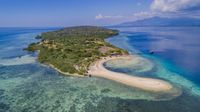
Menjangan Island- Its name means deer in Indonesian. This small island is one of the most famous and protected marine parks in the world called "Bali Barat National Park". Visitors are usually lovers of diving and snorkeling, being surrounded by hectares of beautiful coral reef gardens with a very wide biology. The dives on the south side of Menjangan are a popular spot for local people and tourists who want to dive in search of a variety of fish and exploration of coral reefs. There are no dangerous currents. In addition to a great diversity of coral species and colorful tropical fish, there are also many types of seabirds and shorebirds that frequent the island. The hawksbill turtle is frequently seen in the area. Often known as the island of the deer, since it is the habitat of the barking deer or Muntjac that can be seen taking a bath on its beaches.
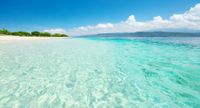
Teluk Terima- They are the region's holiest tomb, monument and temple, located in the island's National Park, which honors two lovers. Legend has it that they were buried in the forest and remembered there, the story of Romeo and Juliet has not only unfolded in Europe, Bali also has its story about true love and its protagonists are Jaya Prana and Layon Sari. Legend has it that an entire town was devastated by an epidemic and only one child was saved. Jaya Prana, the King of the kingdom moved by what happened, decided to adopt him, with the passage of time becoming an adult Jaya Prana falls in love and marries Layon Sari Fate of fate, the king falls in love with his son's wife and decides to order the murder of his governor. When his wife hears the news, he decides to commit suicide. This site is considered a magical place, where many prayers and offerings are made, in the hope of fulfilling wishes as they contain a high spiritual value. It has an incredible panoramic view, with the waves breaking in the background intermingled with mangrove forests where its firm roots serve as a barrier to the rising tide.
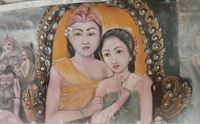
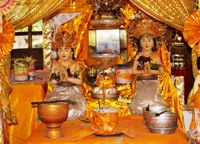
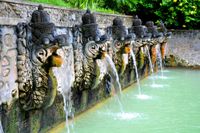
Banyuwedang Banjar Tegah Hot Springs- These slightly sulfuric hot springs of volcanic origin with a natural temperature of 37 degrees are well worth a visit. Different tiered pools, surrounded by lush nature and a tropical garden, seem to emerge out of nowhere to welcome you in paradise itself. Locals consider them sacred and ideal for skin health, as well as for people suffering from rheumatism problems. The warm water rushes through the mouth of eight nagas or snakes to the highest pool. From there it leads to the main pool, located on a lower level. Finally the third pool is at a lower level so that the water falls in a cascade about 4 meters, ideal for massaging the back.
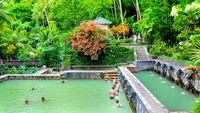
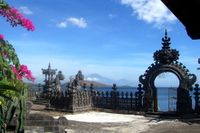
Pulaki Temple- Located next to the Pantai Gondol beach, Pura Pulaki is a pure segara or marine temple, located around Bali that form a spiritual chain of temples for the protection of the island. Pura Pulaki is the main temple of a group of temples that surround the area, called Pesanakan. The temples around Pura Pulaki are Pura Pemuteran, which is popular for its hot springs, Pura Kerta Kawat and Pura Pabean. The inner sanctuary or Jero is the holiest part of a Balinese temple. The entrance to the inner sanctuary is marked with a portal structure known as paduraksa. The black stone paduraksa of Pura Pulaki is decorated with figures of Naga Basuki, a dragon that maintains the balance of the cosmos.
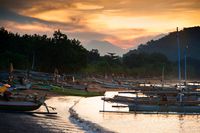
Pantai Gondol- Beach located in the fishing village of Gondol. With rows of Jukung (traditional boat) and surrounded by coconut plantations. This part of the coast is idyllic and calm. It is also a good place for swimming and diving.
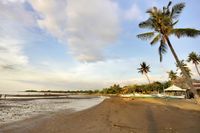
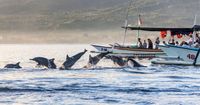
Lovina- The main tourist area of Buleleng. Palm-lined black sand beaches open onto a calm sea where dolphins can be seen, snorkeling, diving, sailing, fishing and swimming. A tourist area with a wide range of accommodation.
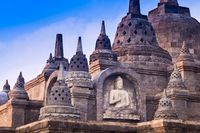
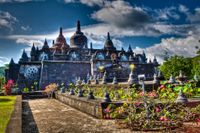
Brahma Vihara Arama- This Buddhist monastery, the largest in Bali, was built in 1970 and the monks still reside there. It is built on a hill and surrounded by sumptuous gardens. It has different levels until you reach the last temple, its architecture is inspired by the design of the famous Borobudur on the neighboring island of Java. Place of incredible beauty and serenity surrounded with magnificent views of the sea.
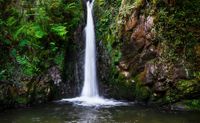
Sing Sing Waterfall- Namanya diterjemahkan sebagai "air terjun matahari terbit" yang ditemukan di perbukitan hutan desa Cempaga di Banjar. Ini adalah salah satu harta karun tersembunyi di Bali utara, pilihan yang sangat baik bagi pecinta alam dan mereka yang lebih suka berpetualang. Waktu terbaik untuk pergi adalah selama musim hujan (dari November hingga April), ketika berubah menjadi kolam berbatu. Nyanyian burung dan suara alam melawan tetesan dan tetesan kolam menambah suasana santai suaka tersembunyi ini.
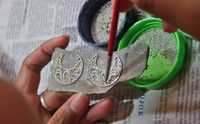
Beratan- Town famous for the unique gold and silver artisan works. For more than 100 years, almost all the men in this town have been engaged in these crafts. Orders are served in limited quantities.
Sangsit-Temple of the Ancestors, famous for its unique and fun stone carvings, has an excellent architectural style that stands out for its color. It is a temple for the subak (association of rice producers), dedicated to the goddess Dewi Sri, who cares for the rice fields. The sculpted panels on top along the front wall feature cartoon demons and jaw-dropping nagas (mythical creatures like snakes). The interior has a variety of sculptures that cover every available space.
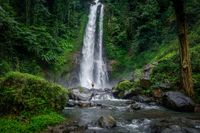
Gitgit Waterfall- It is the most famous waterfall in Bali. Located in the town of Gitgit. With a height of 35 meters, surrounded by tropical trees. The voice of the waterfall around nature, clove and coffee plantations that protect the rain forest, make it impressive. It has series of waterfalls of different shapes and heights. A short distance from the waterfall, the fine spray of water will cool your body. Sometimes the environment becomes misty.
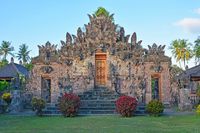
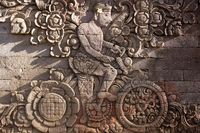
Maduwe Karang- Temple famous for its carvings of a very imaginative nature. One of those carvings is that of a Dutch colonialist riding a bicycle whose tires are made entirely of petals. It is considered one of the main temples in Bali, due to its size.
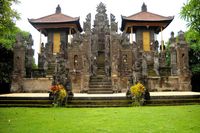
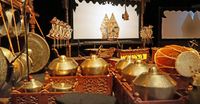
Sawan- Village where villagers are traditional creators of gamelan gongs and other gamelan instruments. Gamelan music is used in traditional ceremonies in almost all the towns of Bali. It is played in the temples in combination with the dance of children and adults, in this way all the people of the town participate in the ceremony.
It is the birthplace of "Gamelan Gong Kebyar", made by the most talented artisans. Most factories are open to visitors who are interested in seeing artisans at work and learning about some of the instrument manufacturing processes. They are a selling point for gamelan gong groups as well as individual buyers.
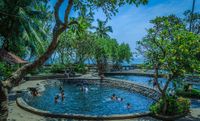
Air Sanih- It is a natural spring fresh water pool surrounded by natural plantations, previously it was used as a water resource for the supply of daily life by local communities. This pool is strategically located next to the main road from Karangasem to Singaraja. Its bottom is designed with river stone tiles. It is one of the favorite places to visit by local people.
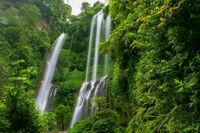
Sekumpul Waterfall- It is one of the most beautiful and picturesque natural attractions in Bali. The waterfall is actually a group of six to seven narrow waterfalls that form the centerpiece, in a lush green bamboo forested valley.
Pancasari- Mountain village known for the “Bali Handara Kosaido Country Club” golf course and the Buyan and Tamblingan lakes. It has one of the most traditional farmers markets in Bali, with a wide variety of fruits and vegetables. This non-tourist market with small and simple stalls offering a wide variety of daily local needs, being a good place to witness a bit of Balinese culture through stalls dedicated to selling items and decorations for their rituals as well as flower offerings . Some of which weave and prepare on site.

Ponjok Batu- Temple whose name means pile of stones. Located in Pacung a rocky cliff next to the beach where a fresh water spring gushes. According to the Dwijendra Tattwa papyrus, his role can be said to be the worship of the supremacy of Danghyang Nirartha as a Teacher in the teaching of Hinduism, especially Siva-ism.

Julah- This is said to be the oldest town in northern Bali. Its history dates back more than 1000 years, which is why it has been the subject of research by numerous Indonesian and foreign scholars over the years. A very good way to learn about its history is to study the history of its main temple. Julah Bale Agung, with twenty bronze inscription plates that tell the story of a period spanning 6 kingdoms, from the period of King Ugrasena to King Jaya Pangus. In the temple area there is an impressive fig tree made up of four very large trees. The trees are believed to be the same age as the temple. It is thought that if one day the leaves on the tree begin to fall, a natural disaster will occur.
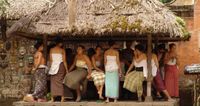
Sembiran- A megalithic town that preserves several ancient sacred dances such as the Rejang Sembiran, Baris Dadap, Baris Presi and Baris Jojor, which are only performed on specific ceremonial days. Unique because it is located between the sea to the north and the mountains to the south.
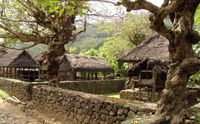
Munduk- Located in the mountains between 500 and 1200 meters above sea level, it is an ideal place to stay and escape the heat. The misty afternoons, the blue hydrangea fields and the numerous waterfalls make it an ideal place for hiking and visiting the rice, coffee, clove fields as well as its three wonderful waterfalls and the tamblingan lake which is one of the true spectacles of the nature. Located in the north of Munduk it is located in the plateau area between two great hills. It is located 1000 meters above sea level, it has an overwhelming effect due to the tranquility and beauty of its surroundings, it can be explored by boat. It stretches 1.9 kilometers from one side to the other and at its maximum depth is 90 meters.
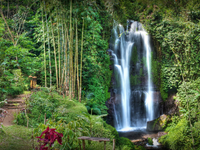
Pemuteran- Quiet little fishing village great place to hike or bike, home to the world's largest artificial biorock reef project where there is a true spirit of marine conservation effort. So it is an ideal place to enjoy snorkeling. Where is Proyek Penyu a turtle breeding and release program run by one of the dive operators in cooperation with local people.
There is the Pura Agung Pulaki temple with rocky hills as a backdrop. The gray rocks behind the temple rise like a cliff just 25 meters from the sea. When its founder Danghyang Nirartha was established here, it is said that he was escorted by dozens of monkeys and out of respect for him, they settled in the temple as guardians.
Where to enjoy walks through the rice fields, while the eyes are seduced by the ocean landscape and the hills with the temple, with the sound of the sea in the background conveys a feeling of freshness on sunny days.
The area around the town of Pulaki, east of Pemuteran, is full of vineyards.